
Advanced Servo Motors ...
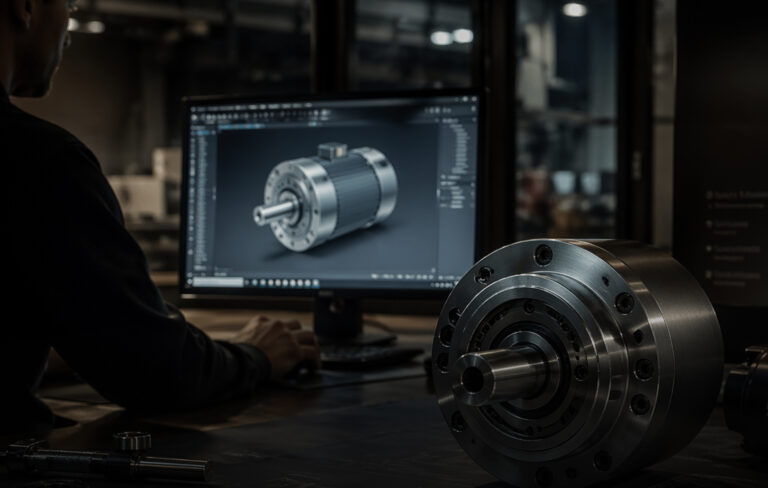
PMW Dynamics provide a comprehensive portfolio of advanced PM servo motors deploying both brush and brushless technology each bringing their specific benefits to an application
Remember your choice is not limited to catalogue items as PMW Dynamics have the capability to design and manufacture custom motors optimised to the exact requirement of your application
Industries Served by PMW Dynamics
A diverse range of industries rely on PMW Dynamics to engineer motor solutions design specifically for their demanding needs. Here's some examples ...

NewsSeptember 2023
Neodymium Magnets: Unveiling the Powerhouses of Magnetics
Richard Bulley, PMW Dynamics Engineering Manager, reveals ...
Introduction
Neodymium magnets, often referred to as NdFeB or neodymium-iron-boron magnets, have become indispensable components in various modern technologies. Renowned for their incredible strength, neodymium magnets are used in an array of applications, from consumer electronics to medical devices and industrial machinery. In this article, we will explore the pros and cons of neodymium magnets, shedding light on their remarkable properties and potential drawbacks.
Pros of Neodymium Magnets
- Unparalleled Strength Neodymium magnets are renowned for their exceptional magnetic strength. They are the strongest permanent magnets available today, providing a magnetic field significantly stronger than traditional ferrite or alnico magnets. This high magnetic strength makes them invaluable in applications where compact size and maximum magnetism are required
- Compact and Lightweight Despite their remarkable strength, neodymium magnets are relatively small and lightweight. This property allows for the design of compact and efficient devices across various industries, including automotive, aerospace, and consumer electronics
- Versatility Neodymium magnets come in various shapes and sizes, making them versatile for different applications. From small disc magnets in headphones to large block magnets in electric motors, they can be tailored to suit specific needs
- Energy Efficiency Due to their strong magnetic field, neodymium magnets are highly energy-efficient. They require less power to generate a specific magnetic force, making them ideal for energy-saving applications such as electric vehicle motors and wind turbines
- Wide Temperature Range Neodymium magnets can operate in a wide temperature range, typically from -40°C to 200°C (-40°F to 392°F). This versatility allows them to function reliably in extreme environments

Cons of Neodymium Magnets
- Susceptibility to Corrosion One significant drawback of neodymium magnets is their susceptibility to corrosion. They are primarily composed of iron and can rust when exposed to moisture. To mitigate this issue, neodymium magnets are often coated with materials like nickel or epoxy, but they still require careful handling and protection in humid or corrosive environments
- Brittle and Prone to Fracture Neodymium magnets are brittle and can shatter or break upon impact. This makes them less durable compared to other types of magnets like ferrite or alnico. Special precautions must be taken during handling and assembly to prevent damage
- High Cost The production of neodymium magnets involves rare earth elements, making them relatively expensive compared to other magnet types. This cost factor can limit their widespread use in certain applications, especially those with budget constraints
- Demanding Magnetization Process Neodymium magnets require a complex and energy-intensive magnetization process during manufacturing. This process involves subjecting the material to a strong magnetic field, which can be challenging and costly
- Limited Temperature Stability Although neodymium magnets have a wide operating temperature range, they can experience irreversible loss of magnetic strength if exposed to temperatures above their Curie temperature (around 310°C or 590°F). This limitation may restrict their use in high-temperature environments
Conclusion
Neodymium magnets are remarkable feats of modern engineering, offering unmatched magnetic strength, compactness, and versatility. However, they are not without their drawbacks, including susceptibility to corrosion, brittleness, high cost, demanding magnetization processes, and limited temperature stability. Engineers and designers must weigh these pros and cons carefully when considering neodymium magnets for their applications. Despite the challenges, neodymium magnets continue to revolutionize various industries, pushing the boundaries of what is possible in magnetism and technology


Want to find out more?
Get in touch